



 Achievements/case studies
[Joint Development] Manufacturing Technology and Quality Verification of Logistics Drones through Collaboration with a Mongolian Company
Overview
From April to December 2025, we conducted a joint project with a Mongolian company to develop manufacturing technology and verify the quality of logistics drones. Based on an existing airframe, multiple units were assembled locally to evaluate the reproducibility of the manufacturing process and assembly accuracy. In addition, test flights were carried out to verify fundamental performance and overall quality.
At the same time, the initiative went beyond simply confirming whether assembly was possible. It also included root cause analysis and corrective actions in response to defects, in order to assess whether the local partner could sustainably advance aircraft development independently. During this process, we also leveraged Mongolia’s extremely low-temperature environment to conduct operational validation under cold climate conditions.
Background
Mongolia offers unique potential for drone operation and evaluation, with its harsh natural conditions—including extremely low temperatures (down to -40°C), high altitudes (approximately 1,300 meters), and strong winds (up to 20 m/s)—as well as vast open land suitable for performance testing.
While there is potential to reduce costs—particularly R&D labor and performance testing, which account for a large portion of drone airframe costs—the local infrastructure for manufacturing and quality control has not yet been fully established.
Therefore, in order to determine whether a local company could potentially become a viable drone manufacturer in the future, it was necessary to conduct technical validation through actual manufacturing and operational activities.
Objectives
The objective of this initiative was to assess the technical capabilities, quality control capacity, and problem-solving ability required for manufacturing logistics drones by the Mongolian partner.
In addition, the project aimed to identify challenges specific to Mongolia’s environmental conditions and to define technical directions for future mass production and local deployment.
Project Activities
In the initial phase, aircraft assembly was carried out to understand manufacturing procedures and assess variability in quality. Assembly records and work procedures were also documented and organized.
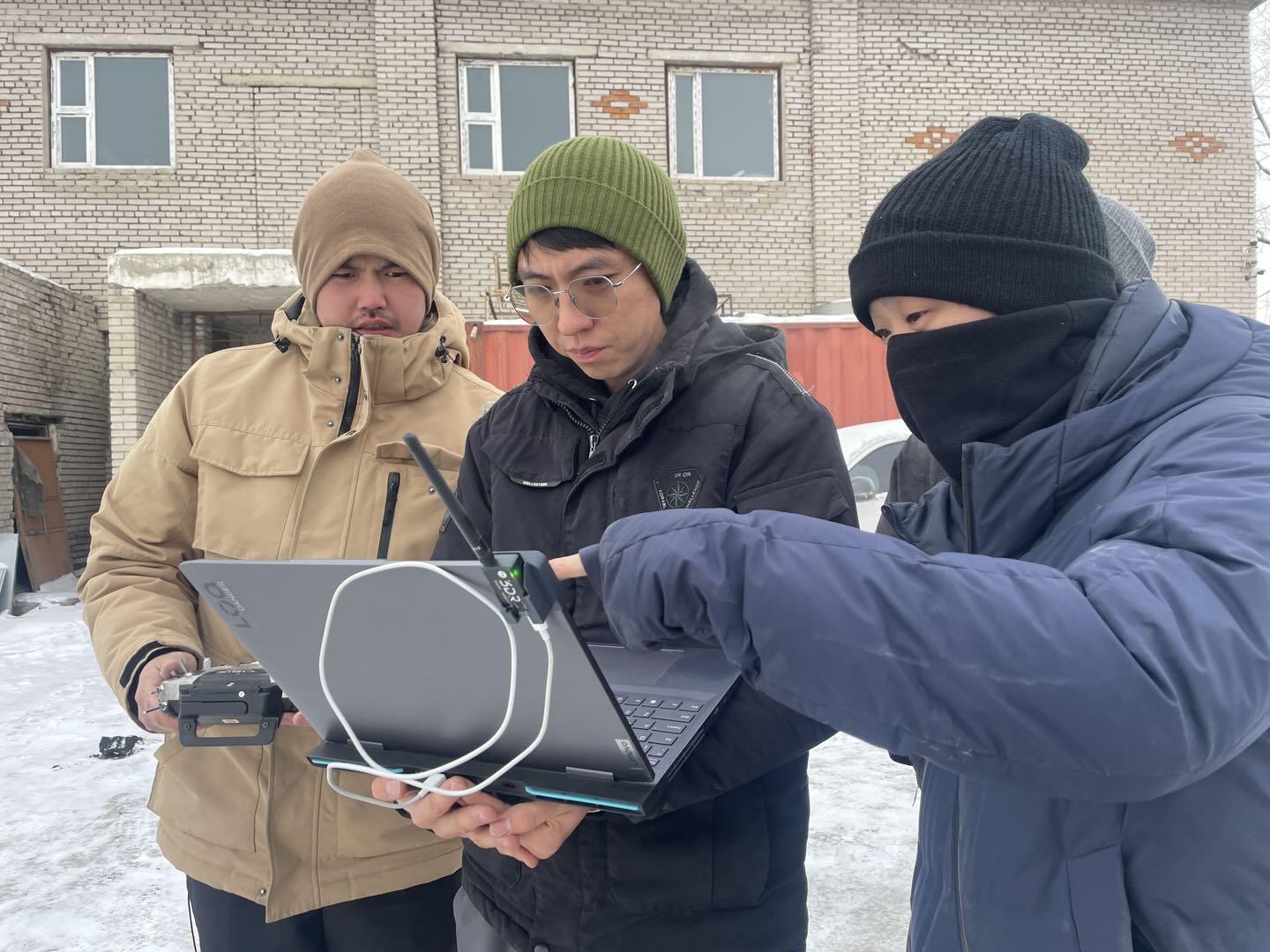
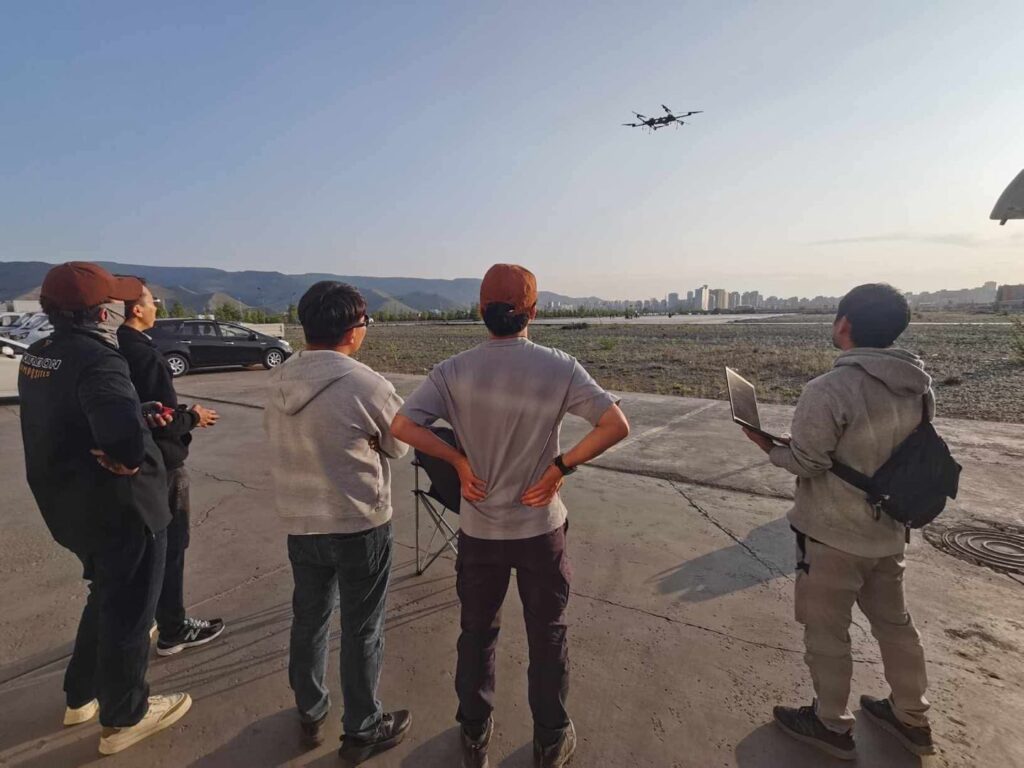
Subsequently, flight testing evaluated not only basic flight performance but also the durability of structural components and the condition of joints during extended operations. When issues arose, technical advice was provided remotely from Japan, while improvements were primarily implemented locally to enhance quality.
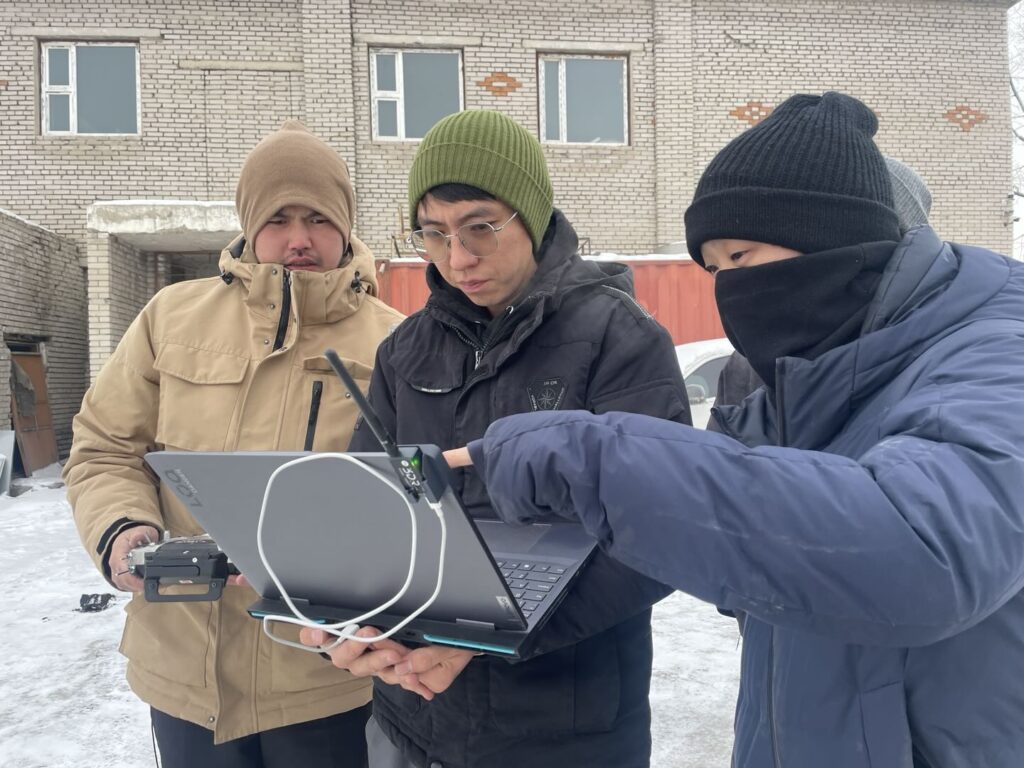
Furthermore, under cold climate conditions, the project focused on battery performance degradation at low temperatures. By comparing different insulation methods and conducting actual flight tests, necessary measures for stable operation in low-temperature environments were identified.
Development Process and Results
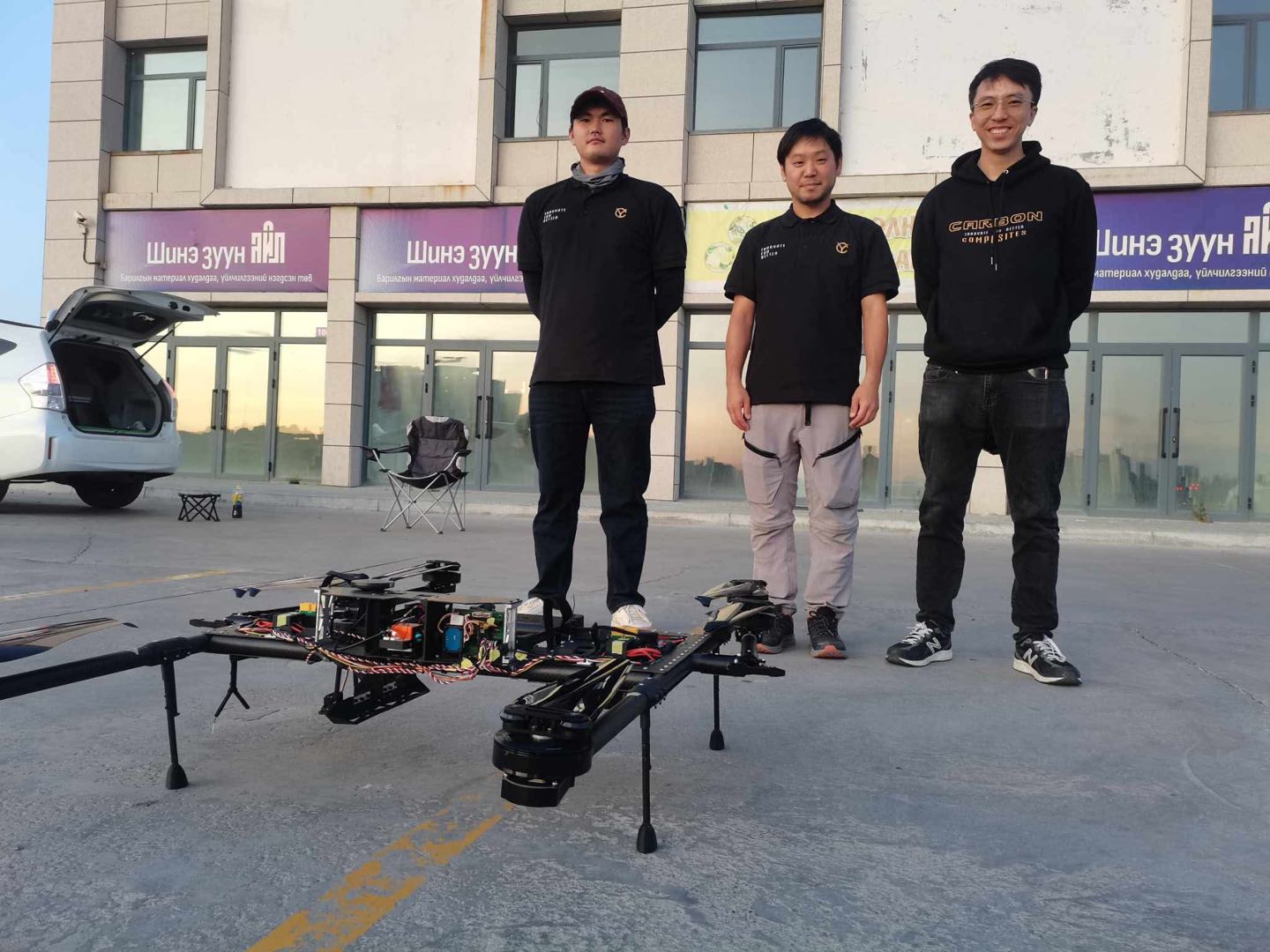
Specifically, three aircraft were manufactured through the following six steps:
1. Development of the First Aircraft
Efficient acquisition of new know-how in the manufacturing process and verification of the technical foundation required for aircraft development.
2. Performance Testing of the First Aircraft
Confirmed that the aircraft generally met target specifications across all nine predefined basic performance parameters.
3. Quality Testing of the First Aircraft
Operational cycles assuming logistics use were conducted, resulting in significant improvements in technical maturity and quality control capabilities for mass production.
4. Development of the Second Aircraft
(Reproducibility of Quality and Documentation for Mass Production)
A manufacturing manual was created in parallel with the production of the second aircraft. It was confirmed that operators with a certain level of skill could reproduce aircraft of consistent quality by following the manual.
5. Development of the Third Aircraft
(Improving Cost Efficiency)
Based on insights gained from the manufacturing and evaluation of the first two units, the component configuration was reviewed, providing effective guidelines for future mass production.
6. Environmental Adaptation Testing
(Adaptation to Cold Climate Conditions)
Two different methods for maintaining battery temperature were tested, followed by flight testing. Useful data was obtained to improve operational stability in low-temperature environments.
Future Outlook
Through this initiative, we confirmed that the local partner possesses a certain level of manufacturing capability and problem-solving capacity. At the same time, challenges related to quality control and design improvements required for mass production were clearly identified.
Feedback from the development team indicated that “awareness and mindset toward development and manufacturing have significantly improved.” We are pleased that this project enabled meaningful technical exchange and collaborative capability building across national and cultural boundaries.
Going forward, we will continue to advance the standardization of manufacturing processes, improve structural durability, and optimize component selection in Mongolia. Our goal is to establish a production system that ensures consistent quality while developing logistics drone technologies capable of stable operation even under harsh environmental conditions.
Related article
-
[Joint Development] Manufacturing Technology and...
Learn more
-
【R&D】Tohoku University Propeller Wind Tunnel Tes...
Learn more
-

【R&D】AirTruck wind tunnel test at JAXA
Learn more
-
「Application of Cooperative Control between Auto...
Learn more
-
Providing support for Yonago KOSEN’s development...
Learn more